Ten years ago, I was sitting at an outdoor table at Hemingway, a restaurant on the Rynek — the old market square — in Gliwice, Poland, trying to look like I knew what I was doing while quietly wondering what on earth I’d got myself into.
I’d moved over from London with my then-fiancée, Emi, and although it was exciting, I’d be lying if I said I wasn’t scared. New country, new language, new culture, no clear plan. Classic “brave decision” on the outside, absolute panic on the inside. Would I find work? Would I fit in? And would my non-existent Polish ever get past ordering a coffee and hoping for the best?
Then I had a meeting with Rafał Kosowski, programme director at the Britannia Language School in Rybnik, and I still remember being genuinely stunned by how much work he had for me. There were job offers all over the place, and because I was keen, terrified, and not exactly in a position to be picky, I took pretty much all of them.
And I mean all of them.
And I mean all of them.
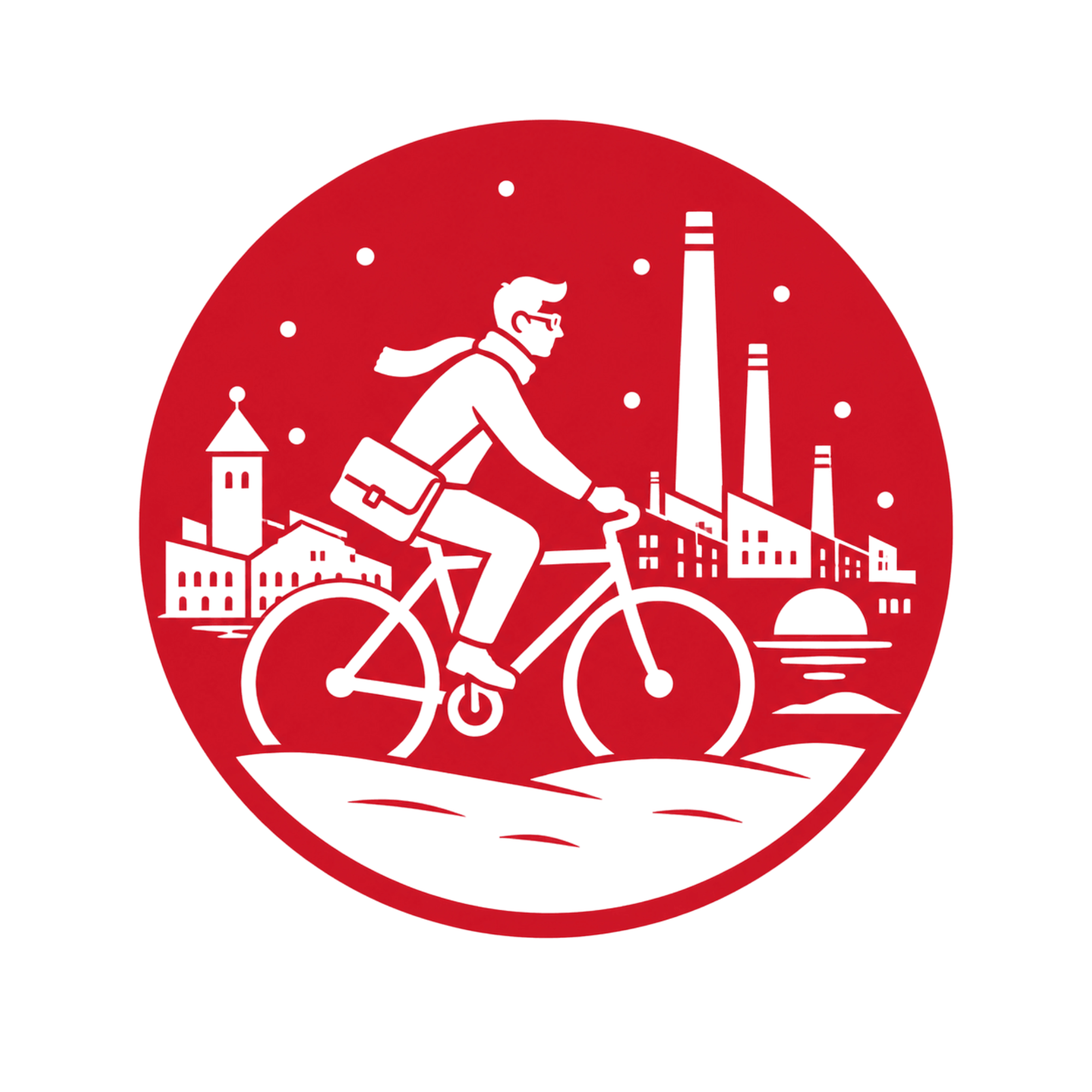
One of those jobs was a series of lessons starting at 6:00 in the morning at a car parts factory on the outskirts of Gliwice. The only - small - problem was that I didn’t drive, so I had to get there by bike. At first, that seemed manageable enough. Then December arrived.
There’s nothing quite like cycling to a factory lesson before sunrise in the Polish snow, then trying to defrost your own hair in the bathroom before teaching English. It was a culture shock, to put it mildly. But it was also one of the most important classes I ever taught, because it changed how I understood language learning.
Those students didn’t want another textbook dragged out in front of them at six in the morning. Fair enough, really. They wanted English that felt connected to life: work, family, stories, opinions, jokes, frustrations, real conversations. That class taught me something I’ve carried ever since: people don’t fall in love with language through dry exercises. They come alive when language gives them a way to talk about their own lives and experiences.
Looking back now, I think the fear I felt then is very close to what many learners feel when they try to speak English in real life. You know the feeling: the words are in your head, but suddenly your mouth decides it’s on strike. Your confidence drops. You worry about mistakes. You wonder if people are judging you. Have you ever had that knot in your stomach just before speaking another language?
I know I have.
I know I have.
Not long afterwards, I became lead writer for English Matters and Business English Magazine for the Poznań-based publisher Colorful Media, and the same lesson kept coming back to me again and again. Readers didn’t just want grammar exercises. They wanted useful English. Real English. English for conversations, work, culture, travel, confidence, and connection.
That has shaped everything I’ve done ever since, and it's what I'm now trying to build in my online version of Go Native - English Language Coaching. My teaching philosophy is fairly simple: the best conversations are real conversations about real things. You don’t become confident by repeating artificial classroom sentences forever. You grow when English starts to feel connected to your actual life. Your opinions. Your work. Your humour. Your problems. Your stories.
This ten-year milestone means a lot to me. I don’t live in Poland anymore, but part of me will always live there. Go Native has allowed me to stay connected to people, places, and cultures that have shaped my life in ways I'd never expected. And one of the loveliest things is that some students who started lessons with me in those early weeks are still with me today. That’s not just a business relationship. That’s trust - and friendship - built over time. It’s mistakes, laughs, progress, setbacks, breakthroughs, and countless hours of proper conversation.
And really, your language-learning journey might not be so different from my business journey. At some point, you have to step in before you feel fully ready. You have to speak before the sentence is perfect. You have to be willing to sound a bit messy at first. That’s where progress begins.
Ten years on, I’m still just as passionate about helping people cross that bridge from “I know some English” to “I can actually use English.” And that really, really matters - because it changes how you approach your work, and how you travel, connect, think, and express yourself.
So here’s my question for you: are you ready to stop only studying English and start living it?


Copyright © 2026
Created with