
religion
Translations
Don't see your language? Try Google Translate
Noun type
Abstract Noun: "Religion" is an abstract noun because it refers to a belief system and spiritual practice rather than a physical object.
"Religion" is countable when referring to specific religions (e.g., "There are many different religions in the world") and uncountable when referring to the general concept (e.g., "Religion has played a major role in history").
The word originates from Latin religio, meaning "obligation, reverence, or worship," which evolved into Old French religion before entering English.
Definition/s
- A system of faith and worship involving a belief in a higher power or divine being.
- An organised institution with shared doctrines and practices.
- A strong devotion to a particular belief or cause.
Examples
- Many people turn to religion for guidance and meaning in life.
- Christianity is the world's largest religion by population.
- For some, football is almost a religion.
- Wars and revolutions have often been influenced by religion.
What are Openers?

- Openers are conversation starters you will use to participate in a discussion. They come in three forms:
- Ask an open question and understand your conversation partners’s views.
- Make sure to ask follow ups, and remember: this is a conversation, not an interview!
- Tell a personal story. Something that has happened to you, or somebody you know.
- Or tell us about something that you have done or seen.
- Your conversation partners must then follow up with you or reciprocate with their own stories.
- Share an opinion about something that the content has inspired.
- Respectfully identify any agreement or disagreement there is in the room.
What are Openers?

- Openers are conversation starters you will use to participate in a discussion. They come in three forms:
- Ask an open question and understand your conversation partners’s views.
- Make sure to ask follow ups, and remember: this is a conversation, not an interview!
- Tell a personal story. Something that has happened to you, or somebody you know.
- Or tell us about something that you have done or seen.
- Your conversation partners must then follow up with you or reciprocate with their own stories.
- Share an opinion about something that the content has inspired.
- Respectfully identify any agreement or disagreement there is in the room.
The Skinny
You’ve been asked to brief a senior executive (the “boss”) on a key issue from a recent business news event. This person is busy and relies on you to give them insight, not headlines.
You have 60–90 seconds to deliver a concise, high-value update tailored to their concerns and communication preferences.
- Who are they?
- What do they care about?
- What do they not want to hear?
- What part of the story matters most to them?
- Don’t explain everything—prioritise.
- Be clear, precise, and professional.
- Avoid informal or emotional language.
Two Papal Styles: Clerical vs. Pastoral
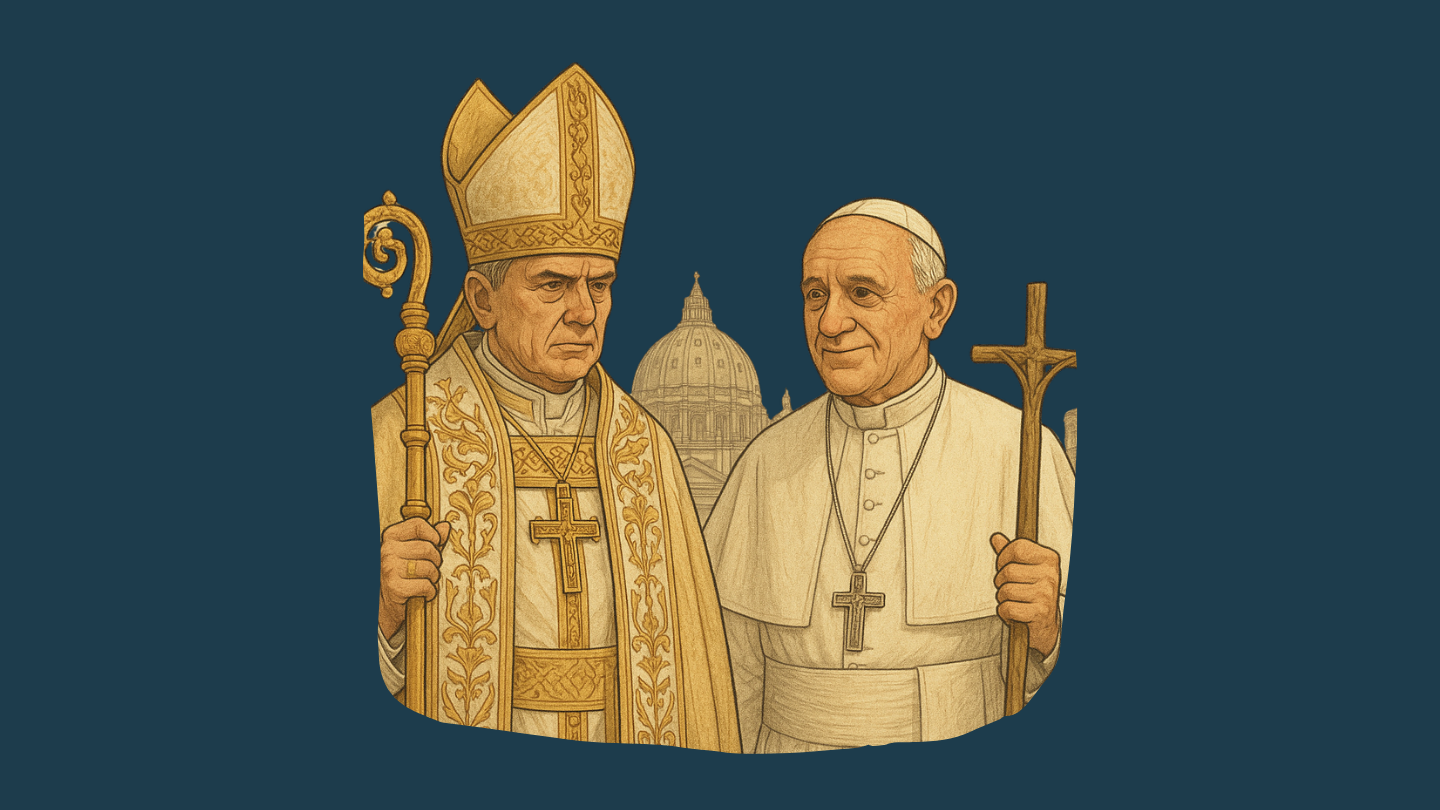
Understanding the difference can help us see why Pope Francis felt so different from past leaders—and why some people loved his style while others disagreed with it.
- Focuses on rules, tradition, and Church authority
- Speaks with clear, firm direction
- Keeps strong boundaries between Church leaders and members.
Example: A clerical pope might defend strict Church teachings on family or sacraments.
- Focuses on compassion, listening, and inclusion
- Tries to meet people where they are.
- Emphasises mercy over judgment.
Example: A pastoral pope might welcome divorced people or support migrants and the poor.